Understanding Window Tint Options
Different Types of Window Tint Films
When considering window tinting, one of the first steps is to understand the various types of window tint films available. There are multiple options, each with distinct characteristics and benefits. The most common types include:
- Dyed Window Tint: This is often the most affordable option. Dyed films block sunlight and reduce glare by adding a layer of dye to the film. They provide great aesthetics but may not offer significant heat rejection.
- Metalized Window Tint: These films contain tiny metallic particles that reflect heat away from your vehicle. They provide better durability and scratch resistance than dyed films while improving privacy.
- Carbon Window Tint: As a fantastic middle-ground option, carbon tinting effectively blocks UV rays and heat without the reflective nature of metalized films. It maintains a modern aesthetic and has a longer lifespan.
- Ceramic Window Tint: The top of the line option, ceramic tint, incorporates advanced technology to reject a large percentage of heat and UV rays. It offers superior clarity and optical performance without signal interference.
When searching for window tint near me, it's essential to know which type suits your needs, as each option affects the vehicle's look and comfort differently.
Legal Regulations for Window Tinting
Before choosing a window film, understanding the legal restrictions in your area is crucial. Different states and municipalities have specific laws regarding tint darkness, reflective properties, and the types of windows that can be tinted. For example, some regions permit darker tints on rear windows while requiring lighter tints for front-side windows. These regulations aim to ensure safety for law enforcement and to maintain street visibility. Ignoring these laws can result in fines or the need to remove the tint, incurring extra costs in the process. Always check local laws or consult with your window tint professional to ensure compliance.
Choosing the Right Tint Level
Choosing the right tint level is about balancing personal preference and legal guidelines. Tint levels are measured in Visible Light Transmission (VLT) percentage, indicating how much light passes through the film. For example:
- 70% VLT: Light tint that offers minimal privacy but maximum visibility and compliance with most legal regulations.
- 50% VLT: Moderately tinted, striking a balance between privacy and visibility for nighttime driving.
- 20% VLT: Darker tint most often chosen for enhanced privacy but may not be legal in all areas.
In choosing the right level of tint, consider your driving environment, the time of day when you often drive, and how much privacy you desire. Consulting with a professional can also provide insights tailored to your specific needs.
Benefits of Window Tint Near Me
Improved Privacy and Security
One of the significant advantages of window tinting is enhanced privacy. Tinted windows significantly obscure what can be seen from outside, providing a safe haven for personal belongings within the car. This not only deters potential thieves from targeting your vehicle but also gives occupants peace of mind. In addition to privacy, window tinting reinforces glass against shattering, adding an extra layer of security. In the event of an accident, tinted films can help hold shattered glass together, reducing the risk of injuries from flying shards.
UV Protection and Health Benefits
Window tinting offers extensive protection against harmful UV rays. These rays can cause skin damage and contribute to long-term health issues such as skin cancer. By blocking up to 99% of UV rays, window tint can significantly reduce exposure while driving, making it a practical choice for those who spend a lot of time on the road. Moreover, window tinting helps prevent fading of your car’s interior materials, increasing the vehicle’s longevity and maintaining its resale value.
Temperature Control and Energy Savings
Another compelling reason to consider window tinting is its impact on temperature control within your vehicle. Tinted windows can reduce heat buildup considerably, making the driving experience more comfortable, especially during hot months. As a result, your air conditioning system will work less hard to cool the interior, leading to reduced fuel consumption and energy savings over time. Effective window tinting can lower the need for constant air conditioning, providing an eco-friendly option to help reduce your carbon footprint.
How to Select a Window Tinting Service
Criteria for Choosing a Quality Installer
Once you understand the benefits and types of window tints, the next step is to find a reputable installer. Here are a few criteria to focus on:
- Experience: Look for an installer with a proven track record and extensive experience in the industry. An experienced professional will have a deeper understanding of various films and their installations.
- Certifications: Check if the installer has certifications from recognized tinting associations. This level of recognition indicates a commitment to industry standards and professionalism.
- Warranty: A quality installation should come with a warranty for both the materials and labor. This demonstrates the installer’s confidence in their work and commitment to customer satisfaction.
Understanding Pricing Structures
The cost of window tinting can vary significantly based on the type of film chosen, the size of the vehicle, and the complexity of the installation. On average, prices may range from $100 to $400 or more. Understanding the pricing structure is essential, so inquire about what is included in the price. Some installers may offer package deals or discounts on multiple windows, and others may charge additional for specialty services like ceramic tints. Always request a detailed quote upfront to avoid any surprises.
Reading Customer Reviews and Testimonials
Customer reviews are invaluable for assessing the credibility of a window tinting service. Look for testimonials on the installer’s website and independent review platforms. Pay attention to comments regarding the quality of installation, customer service, and overall satisfaction. A high volume of positive reviews can indicate a quality service, while numerous complaints can be a red flag. Don’t hesitate to ask for references from previous clients to gain further insights.
DIY vs. Professional Window Tinting
Pros and Cons of DIY Installation
DIY window tinting kits have gained popularity due to their availability and lower upfront cost. However, there are pros and cons to consider:
- Pros: Lower cost and the ability to install at your convenience.
- Cons: Increased risk of bubbles, creases, and incorrect application, which could lead to the need for a professional redo.
If you have experience with DIY projects and are meticulous about detail, this might be a suitable option, but be prepared for a potentially time-consuming process.
When to Hire a Professional
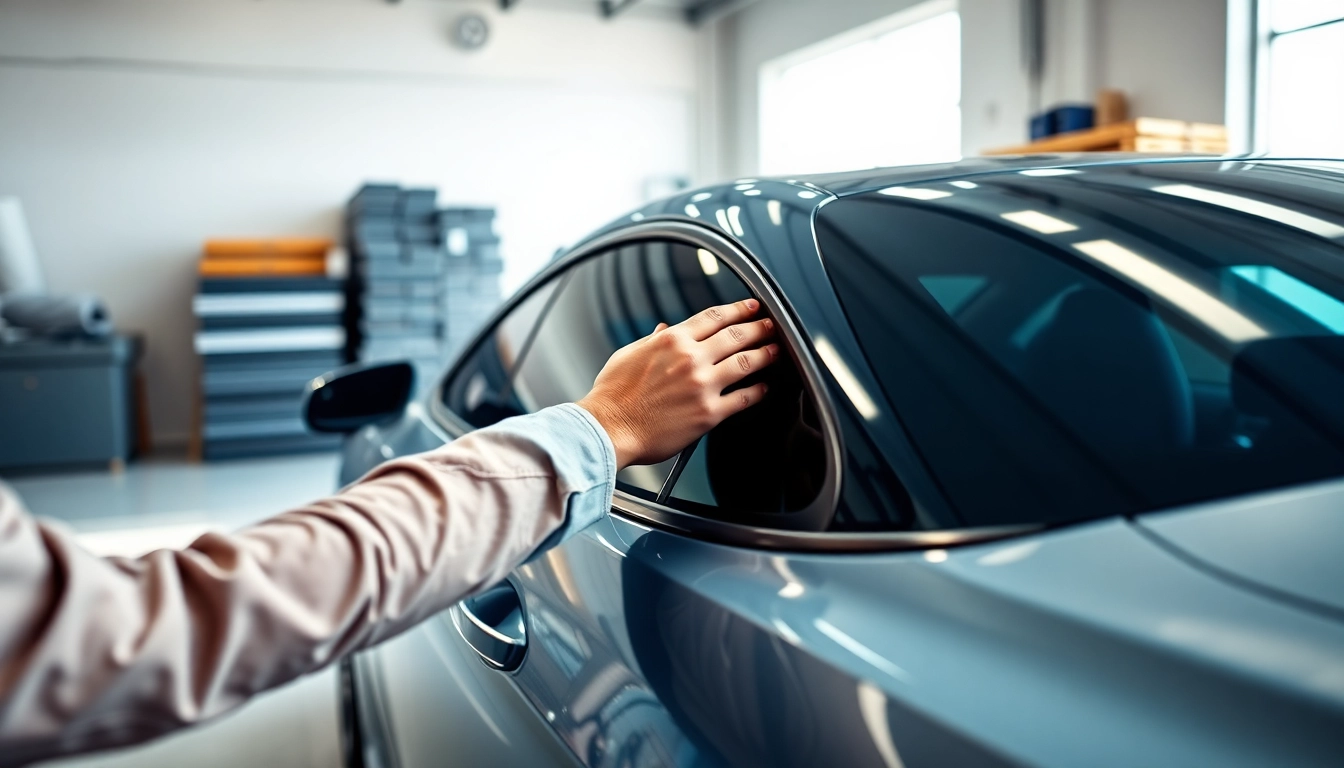
Hiring a professional is advisable if you are unsure about the application process or the type of tint to choose. Professionals possess the necessary skill, tools, and knowledge to ensure a flawless installation. If you own a high-end vehicle or prefer the best-quality tint, the initial investment in professional service can save you time and guarantee excellent results.
Cost Comparisons
Due to the varying quality of materials and installation complexity, a DIY kit might cost around $50 to $200, while professional installation can range from $100 to $400 or more. Keep in mind that while DIY may save upfront costs, the potential risks of poor application and resultant replacement could lead to higher costs later. Ultimately, your choice should align with your budget, skills, and the desired outcome.
Maintenance and Care for Window Tint
Cleaning Techniques for Tinted Windows
Proper care and maintenance of tinted windows are crucial to preserving their appearance and functionality. Use gentle cleaning solutions, such as a mix of water and a small amount of mild soap. Avoid products containing ammonia, which can damage the tint. Using a soft microfiber cloth to avoid scratches on the film is also recommended. Clean windows thoroughly and regularly to prevent dirt build-up, which can result in uneven fading and discoloration.
Signs Your Tint Needs Replacement
While window tints are designed to be durable, signs of wear and tear may arise over time. Look for indicators that replacement may be necessary, such as bubbling, peeling, discoloration, or any visible tears. If you notice these signs, consult with a professional for advice on replacement options.
Longevity Expectations for Various Tints
The lifespan of window tints largely depends on the type of film used and environmental factors. Dyed films typically last around 5–7 years, while carbon and metalized options can last up to 10–15 years. Ceramic films are the most durable, with lifespans exceeding 15 years. Regular maintenance can help extend the life of your window film, preserving both its functionality and aesthetic.
Frequently Asked Questions (FAQs)
1. Can window tint be removed?
Yes, window tint can be removed, but it may require heat and special tools to prevent damage to the glass or adhesive residue.
2. How dark can my tint be?
Tint darkness is regulated by law and varies by state. Always check local regulations to ensure your choice is compliant.
3. Does window tint block heat?
Yes, many window tints are designed to block a significant percentage of heat, enhancing comfort and reducing air conditioning use.
4. Is DIY window tinting worth it?
While DIY can save money, professional installation ensures a more polished look and reduces the likelihood of mistakes and future costs.
5. How often should I clean tinted windows?
Tinted windows should be cleaned regularly, using gentle cleaning products to keep them looking clear and extend tint lifespan.